
Everything Leads Back to Your Gut.
Rheumatoid arthritis. Lupus. Hashimoto's. Psoriasis. High blood pressure. Anxiety. Hormonal imbalance. ADHD. Kidney disease. Chronic fatigue. These are not separate problems. They are one problem showing up in different places. And bloating is just the beginning. This page will show you exactly where it all starts.
When your gut is healthy, your whole body knows it. When it is not, everything starts to quietly fall apart and most people spend years treating symptoms without ever looking at the root.
This page is here to change that. Scroll through and see how many conditions on this list you recognise in yourself or someone you love. You might be surprised how many roads lead back to the gut.
What Does the Gut Actually Control?
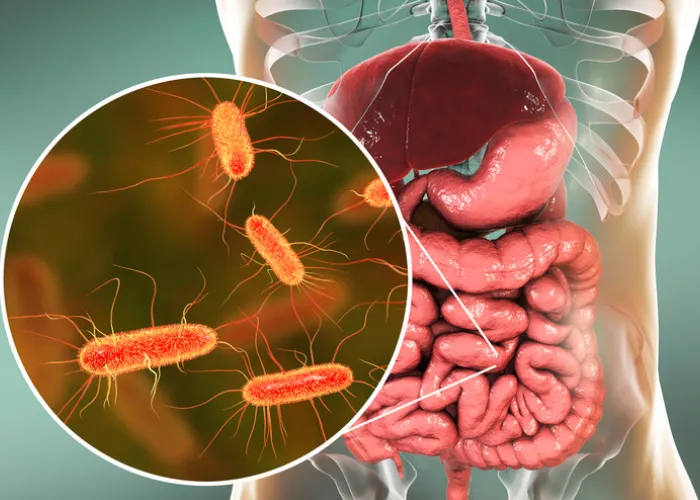
Your gut is home to trillions of bacteria, fungi, and microorganisms that make up your gut microbiome.
This community regulates your immune system, produces hormones and neurotransmitters, controls inflammation, and communicates directly with your brain via the vagus nerve.
When this system is out of balance, a state called dysbiosis, the effects ripple outward into every system in your body.
High Blood Pressure
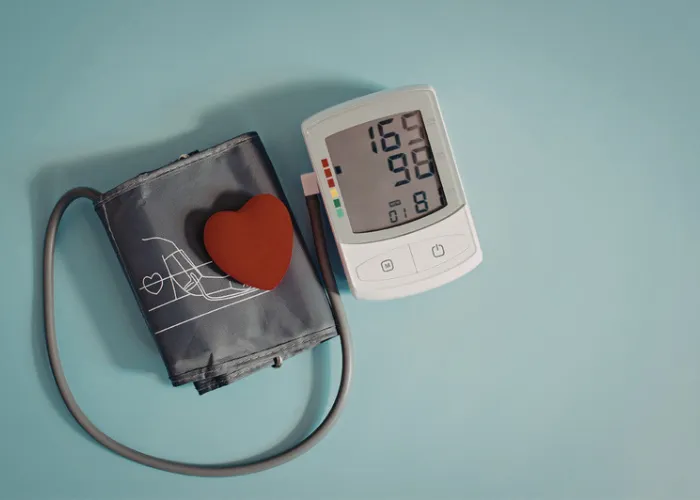
Hypertension has a significant autoimmune component that is rarely discussed in standard consultations. Immune cells infiltrate blood vessel walls and trigger chronic inflammation, causing them to stiffen and narrow.
The gut is the starting point for this process. When the gut lining is compromised, bacterial fragments and parasite-derived toxins enter the bloodstream and activate the immune system, driving the vascular inflammation that raises blood pressure. The gut microbiome also produces compounds that regulate blood vessel tension and sodium balance.
68When gut bacteria are disrupted by dysbiosis or parasitic infection, these compounds decrease, vessels lose flexibility, and pressure rises consistently.
Skin Conditions: Eczema and Acne
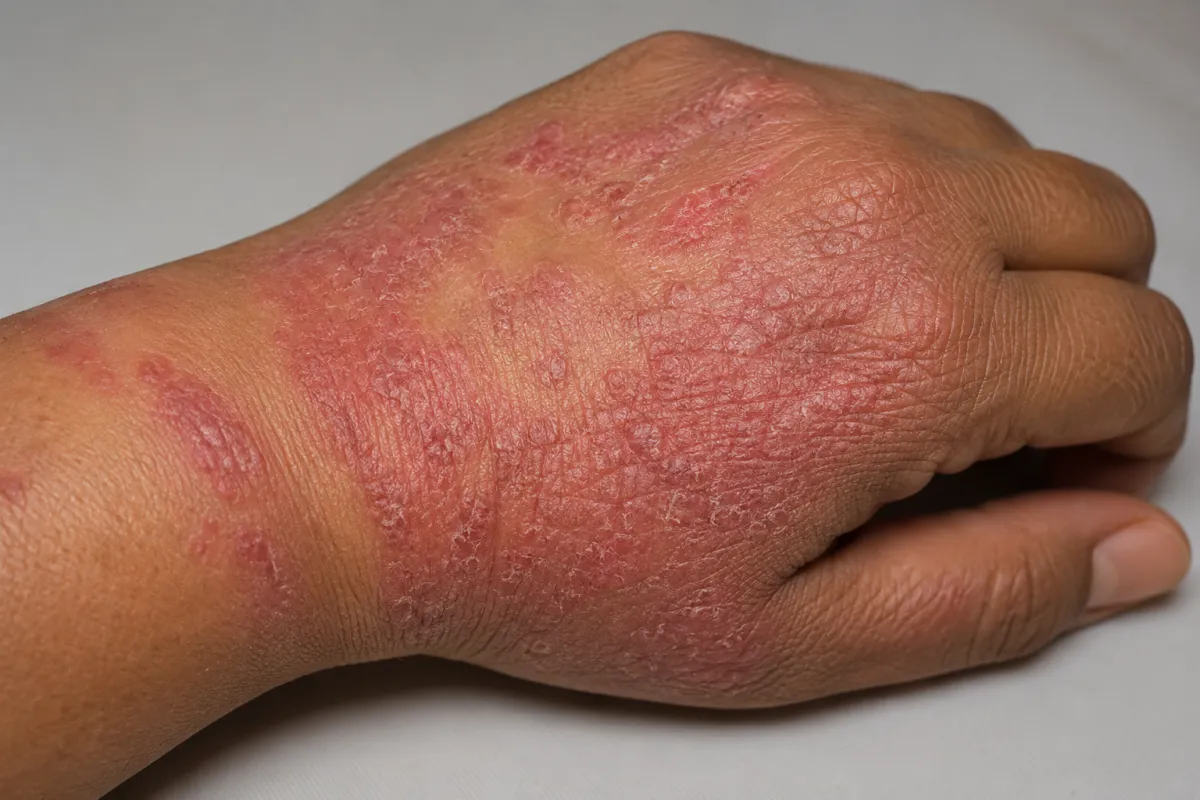
Eczema has a strong autoimmune component. Acne is driven by inflammation. Both are rooted in gut dysfunction. When the gut is inflamed or the microbiome is disrupted, the skin becomes a secondary elimination pathway. Toxins that should be processed in the gut come out through the skin instead. Parasites in particular release waste products and toxins that the body attempts to expel through the skin, triggering rashes, hives, chronic itching, and inflammatory breakouts. Clear skin really does start in the gut, and sometimes it starts with clearing what should not be there at all.
Autoimmune Disease
Autoimmune conditions develop when a compromised gut lining allows undigested particles and toxins to pass into the bloodstream. The immune system responds by attacking them but over time loses the ability to distinguish between foreign invaders and the body's own tissues. Parasites play a significant role here. Certain parasites actively manipulate the immune system to avoid detection, creating chronic immune dysregulation that can trigger or worsen autoimmune conditions. Conditions like lupus, Hashimoto's thyroiditis, rheumatoid arthritis, multiple sclerosis, and psoriasis all have established links to gut permeability, microbial imbalance, and in many cases undetected parasitic infection.


Hormonal Imbalance: PCOS, Endometriosis, Fibroids
The gut microbiome contains bacteria specifically responsible for metabolising and clearing oestrogen from the body. When this system is disrupted by dysbiosis, gut permeability, or parasitic infection, oestrogen recirculates rather than being eliminated. Parasites also produce oestrogen-mimicking compounds that add to hormonal load and worsen conditions like PCOS, endometriosis, and fibroids. Both PCOS and endometriosis have autoimmune characteristics, with the immune system failing to clear abnormal tissue growth in the way it should. You cannot fully resolve oestrogen dominance without addressing the gut, and in many cases without addressing what is living in it.
Menopause Symptoms
As oestrogen declines during perimenopause and menopause, gut microbiome diversity also shifts and this affects how severely symptoms are experienced. Parasites add an additional layer of hormonal disruption by interfering with oestrogen metabolism and contributing to systemic inflammation. Hot flushes, mood changes, sleep disruption, joint pain, and weight gain during menopause are all influenced by gut health and inflammatory load. Women with healthier gut microbiomes and lower parasitic burden consistently report milder menopausal transitions.

Kidney Disease
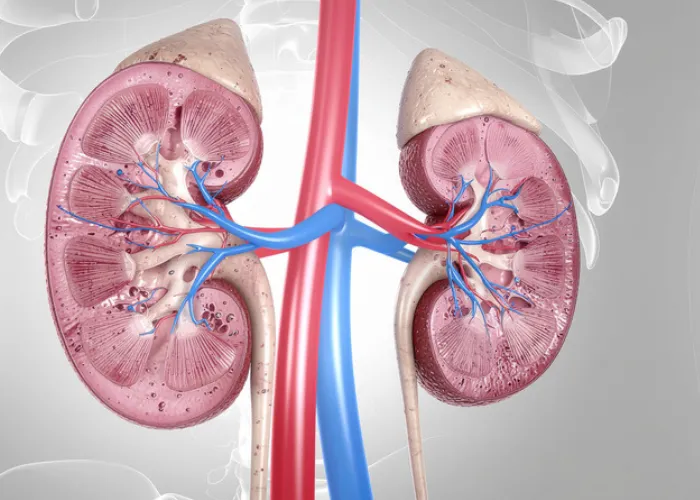
Chronic kidney disease has a strong autoimmune and inflammatory driver. Conditions like IgA nephropathy and lupus nephritis are directly autoimmune, with the immune system attacking kidney tissue. Parasites place additional strain on the kidneys by generating high volumes of waste and toxins that the kidneys must filter. When gut bacteria produce excess uremic toxins due to microbial imbalance, and parasites add their own toxic burden, the kidneys are placed under pressure they were never designed to handle long term. Supporting gut health and reducing parasitic load are two of the most important and least discussed interventions in kidney health.
Weight and Metabolism
Certain parasites actively manipulate metabolism to ensure their own survival, slowing digestion, increasing cravings for sugar and refined carbohydrates, and disrupting the hunger hormones leptin and ghrelin. This means that unexplained weight gain, difficulty losing weight despite genuine effort, and persistent sugar cravings are not always about willpower or calories. They can be about what is living in the gut and what it is doing to the body's metabolic signalling. Diets that repeatedly fail deserve a deeper investigation, and the gut is always the right place to start.


Diabetes and Blood Sugar Dysregulation
Type 1 diabetes is a recognised autoimmune condition. Type 2 diabetes also has a strong autoimmune and inflammatory driver that is rarely discussed openly. In both cases, gut health is central. Parasites contribute to blood sugar dysregulation by triggering systemic inflammation, competing for glucose, and disrupting the gut bacteria responsible for insulin sensitivity. When the microbiome is imbalanced and parasitic burden is present, the body's ability to regulate blood sugar is compromised at multiple levels simultaneously. Restoring gut health and clearing parasitic infection are foundational steps in any serious blood sugar protocol.
Allergies and Food Sensitivities
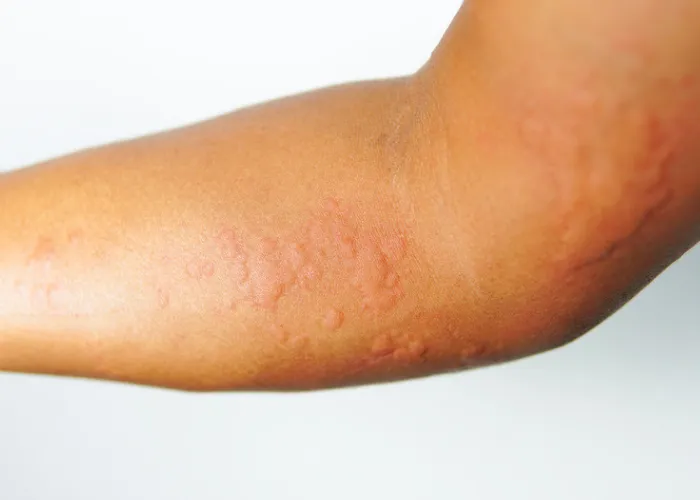
Seventy percent of your immune system lives in your gut. Parasites are one of the most common and least tested triggers of immune hypersensitivity. They damage the gut lining, disrupt microbial balance, and push the immune system into a chronic state of high alert where it begins reacting to things it should tolerate. Seasonal allergies, eczema, hives, asthma, and food intolerances are all expressions of gut immune dysregulation. Many people who have lived with allergies for years have never been tested for the parasitic infections quietly driving them.

Arthritis and Joint Pain
Both rheumatoid arthritis and psoriatic arthritis are autoimmune conditions driven by chronic inflammation. The inflammation starts in the gut, not the joints. When gut bacteria are imbalanced and the gut lining is compromised, inflammatory signals travel through the bloodstream and settle in connective tissue. Parasites contribute directly to this by releasing inflammatory compounds as part of their life cycle and by triggering immune responses that attack joint tissue. Many people managing arthritis with medication have never been told that their gut and a possible parasitic burden could be driving the flares.
Inflammatory Bowel Disease
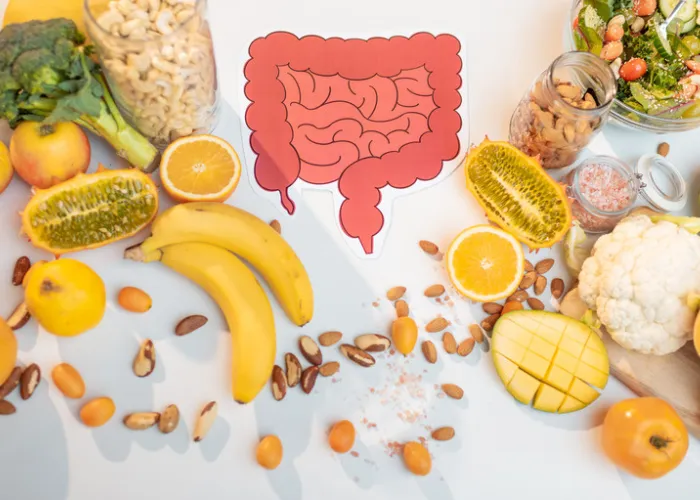
Crohn's and Ulcerative Colitis Both Crohn's disease and ulcerative colitis are autoimmune conditions where the immune system attacks the digestive tract, causing chronic inflammation, pain, bleeding, and severe disruption to digestion and nutrient absorption. The gut microbiome is fundamentally altered in both conditions. Parasitic infections are a significant and frequently missed trigger. Certain parasites directly inflame the gut lining and disrupt the microbial balance in ways that can initiate or worsen IBD. Addressing microbial imbalance and parasitic burden is now considered a core part of managing both conditions.
Psoriasis
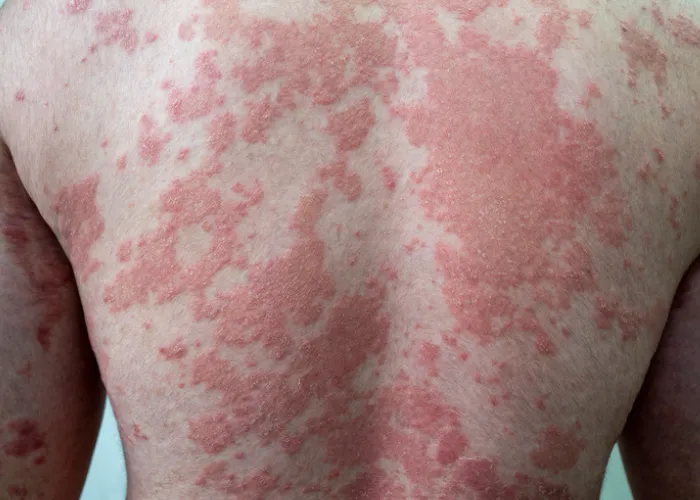
Psoriasis is an autoimmune skin condition where the immune system triggers rapid overproduction of skin cells, causing thick, scaly, inflamed patches. The gut-skin axis is the direct pathway. When gut bacteria are imbalanced and the gut lining is permeable, inflammatory signals travel to the skin and activate the immune response that drives psoriatic flares. Parasites add to this by releasing toxins the body attempts to eliminate through the skin. People with psoriasis who address their gut health consistently report significant reductions in flare frequency and severity.
Anxiety and Depression
The gut produces ninety percent of the body's serotonin. When the microbiome is disrupted, whether through dysbiosis, poor diet, or parasitic infection, serotonin production drops and the nervous system destabilises. Parasites are a particularly significant but overlooked factor here. Many parasites produce their own neurotoxins and inflammatory compounds that cross the gut-brain barrier and directly affect mood, cognition, and emotional regulation. Chronic low-level anxiety, persistent low mood, and emotional dysregulation that does not fully respond to conventional treatment often have a gut and parasitic component that has never been investigated.

Hashimoto's Thyroiditis
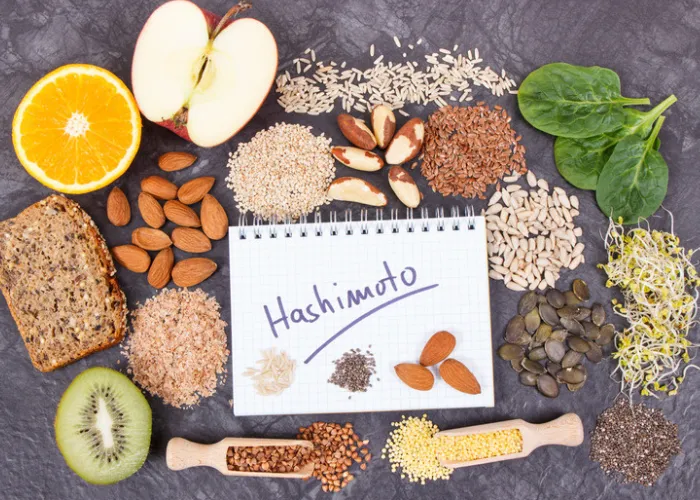
Hashimoto's is the most common autoimmune thyroid condition and the leading cause of hypothyroidism. The immune system gradually destroys thyroid tissue, leading to fatigue, weight gain, hair loss, brain fog, and depression. The gut is central to this process. A compromised gut lining allows bacterial and parasitic toxins into the bloodstream, triggering the immune dysregulation that drives the attack on the thyroid. Healing the gut is considered one of the most important and most overlooked interventions for anyone managing Hashimoto's.
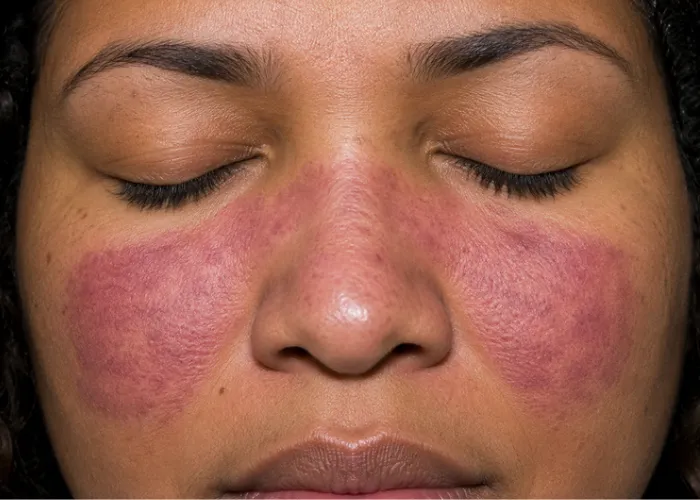
Lupus
Lupus is an autoimmune condition where the immune system attacks healthy tissue throughout the body, affecting the skin, joints, kidneys, brain, and other organs. Gut permeability is one of the key triggers. When the gut lining breaks down, the immune system is exposed to a constant stream of foreign particles it was never meant to encounter, and it loses the ability to distinguish between those particles and the body's own tissue. Parasitic infection is also a known trigger of lupus flares, as parasites generate immune responses that can cross-react with the body's own cells.

Multiple Sclerosis
Multiple sclerosis is an autoimmune condition where the immune system attacks the protective covering of nerve fibres, disrupting communication between the brain and the rest of the body. Research increasingly points to the gut as a primary driver. People with MS show distinct patterns of gut dysbiosis, and gut permeability allows inflammatory compounds to cross the blood-brain barrier and trigger neuroinflammation. Parasitic infections have also been linked to MS onset and progression, as certain parasites produce neurotoxins that mimic the mechanisms of nerve damage seen in the condition.
Coeliac Disease
Coeliac disease is an autoimmune condition triggered by gluten, where the immune system attacks the lining of the small intestine. Over time this destroys the villi, the tiny structures responsible for nutrient absorption, leading to malnutrition, chronic fatigue, anaemia, and systemic inflammation even when the diet appears healthy. The gut lining is both the site of the attack and the key to managing it. Many people with coeliac disease also carry undetected parasitic infections that further damage the gut lining and worsen nutrient absorption.

ADHD and Focus Issues
The gut-brain connection means that inflammation and microbial imbalance in the gut directly affect neurotransmitter production, including dopamine. Parasites compound this significantly. Certain species produce ammonia and other neurotoxins that impair brain function, concentration, and memory. Children and adults with ADHD consistently show different gut microbiome profiles, and parasitic infection is more prevalent in this population than is widely acknowledged. Supporting gut health and addressing parasitic burden is now considered an important part of managing attention and focus difficulties.
One System. Every Symptom.
If you saw yourself in more than one of those conditions, that is not a coincidence. It is your body telling you that something deeper needs attention.
The good news is that the gut is one of the most responsive systems in the body. With the right support, it can heal and when it does, the effects are felt everywhere.
The Self-Heal Academy Gut Reset programme was built for exactly this. Not a diet. Not a detox. A complete root cause reset, grounded in the science of how your gut actually works.
Heal Smarter. Start Free.
Root cause health insights, free protocols, herbal wisdom, and early access to new programmes. Join the community and get your free gut health quick win guide when you subscribe.

Root cause health insights, free protocols, herbal wisdom, and early access to new programmes. Join the community and get your free gut health quick win guide you subscribe.
Info
Home
Start Here
Programmes
Gut Health
Blog
Contact Us!
Connect with us
Follow along for daily root cause health education, herbal wisdom, and healing protocols..


© 2025 Self-Heal Academy by The Coherence Code. All rights reserved..
Privacy Policy
Terms and Conditions